PRESENTATION OF SEEADO
The Sustainable Environment, Ecotourism, and Agricultural Development Organization (SEEADO) is a non-governmental, non-political and non-profit organisation that works to promote a sustainable environment and agriculture, and mainstream ecotourism into conservation for the benefit of people and biodiversity. SEEADO was established on July 1st, 2013 and registered on February 08, 2018 (registration No: 14/E.29/1111/VOL.8/ALPAS).
The Organization is situated in the ACEP building, opposite City Chemist Pharmacy in Bamenda, Mezam Division of the Northwest region of Cameroon.
Our Vision
Our Mission
Our Programs
The organization has the following programs: Biodiversity and Environment, Ecotourism, Agricultural Development and Sustainable life, Education and Outreach, and Research and Communication.
Geographical Areas of Intervention
Our programs are executed all over the Cameroon territory. However, we are focused on the Bamenda Highlands, Santchou Wildlife Reserve, Bomboko Forest Reserve, and the Kimbi Fungom National Park.
Executive Director’s Statement
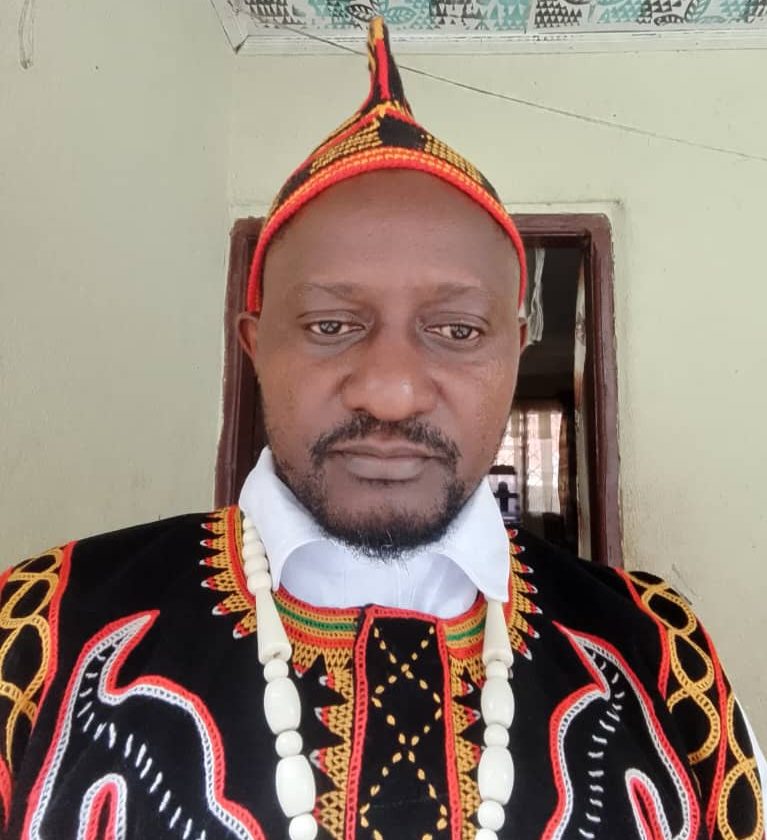
SEEADO is a non-governmental, non-political and non-profit organization that works to promote a sustainable environment and agriculture, and mainstream ecotourism into conservation for the benefit of people and biodiversity to aid development in Cameroon and African at large while ensuring environmental sustainability and regional inclusion. Our mission is to promote sustainable environment and agriculture, and mainstream ecotourism into conservation for the benefit of people and biodiversity by Cameroonians and for Cameroon through holistic innovative technologies, research, education, capacity building and outreach.
All SEEADO΄S programs aim at Saving the Environment, Sustaining Agriculture, and Sustaining Life.
The goal is built on our firm believe that all development effort without environmental consideration is bound to yield unsustainable results. Building on sustainable agriculture, environment and mainstreaming biodiversity conservation into ecotourism is therefore the key to poverty alleviation, sustainable development and regional inclusion of Cameroon and the African continent.
SEEADO has therefore evolved from being a group of young researchers in the 2013 to an independent legally recognized national organisation working on holistic innovative technologies, research, education, capacity building and outreach for the development of Cameroon, since the year 2018. While retaining focus on human development in a well-protected environment, SEEADO has graduated to centre of human resources capable of undertaking large environmental restoration programs and Knowledge Development in Cameroon and the African continent. As it has evolved, so has its approach to capacity building, research, training, communication and outreach, and partnerships.
Sustainability is the core of all SEEADO activities: biodiversity and environmental conservation; agriculture and sustainable life; ecotourism; education and outreach; and advocacy (the capacity of policymakers, private sector actors and the civil society to understand, articulate, formulate and implement relevant sustainable development policies); monitor implementation; and communicate and share sustainable innovations more broadly within Cameroon and the African continent, why not beyond.
The SEEADO Strategic Plan for 2020 – 2025 has identified three strategic priority areas of focus during the period. These are: Biodiversity and Ecotourism, Agriculture, Climate change and Environmental Health.
Sector Priority 1: Agricultural Sustainability
Sector Priority 2: Biodiversity and Ecotourism
Sector Priority 3: Climate Change and Environmental Health
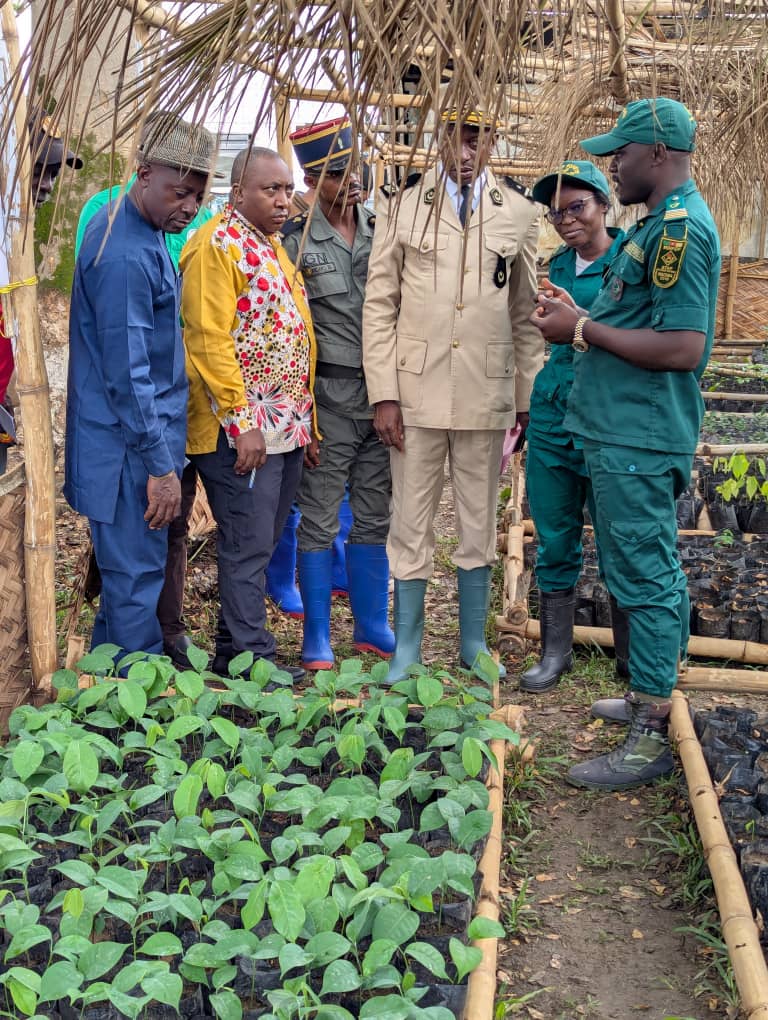
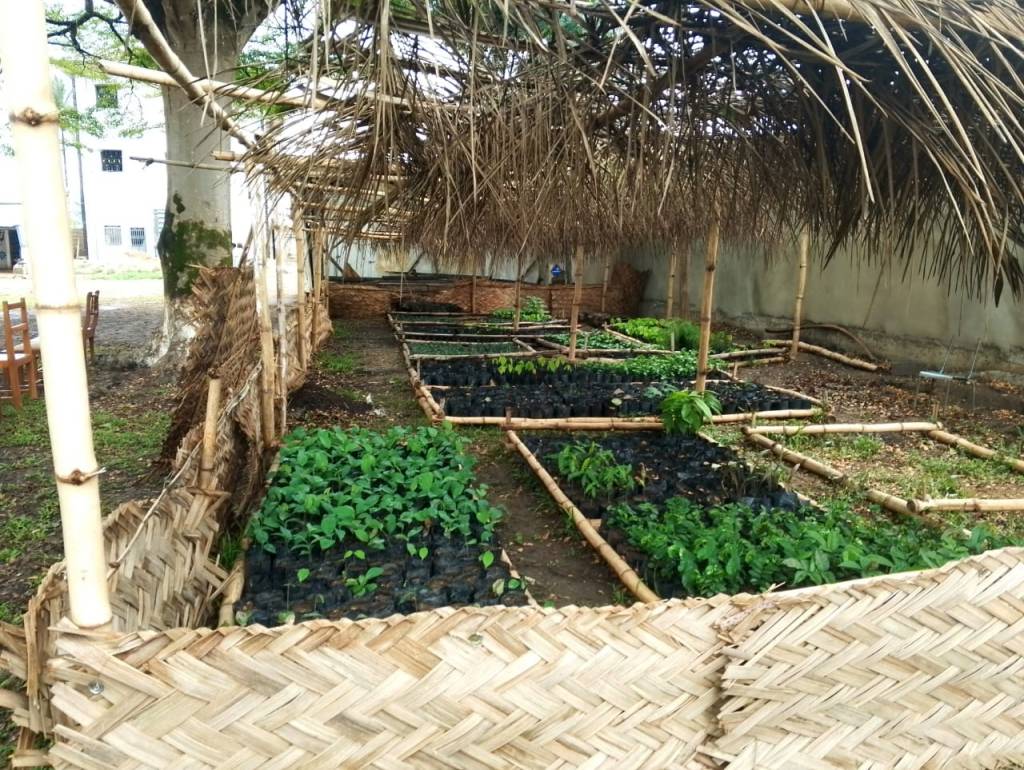
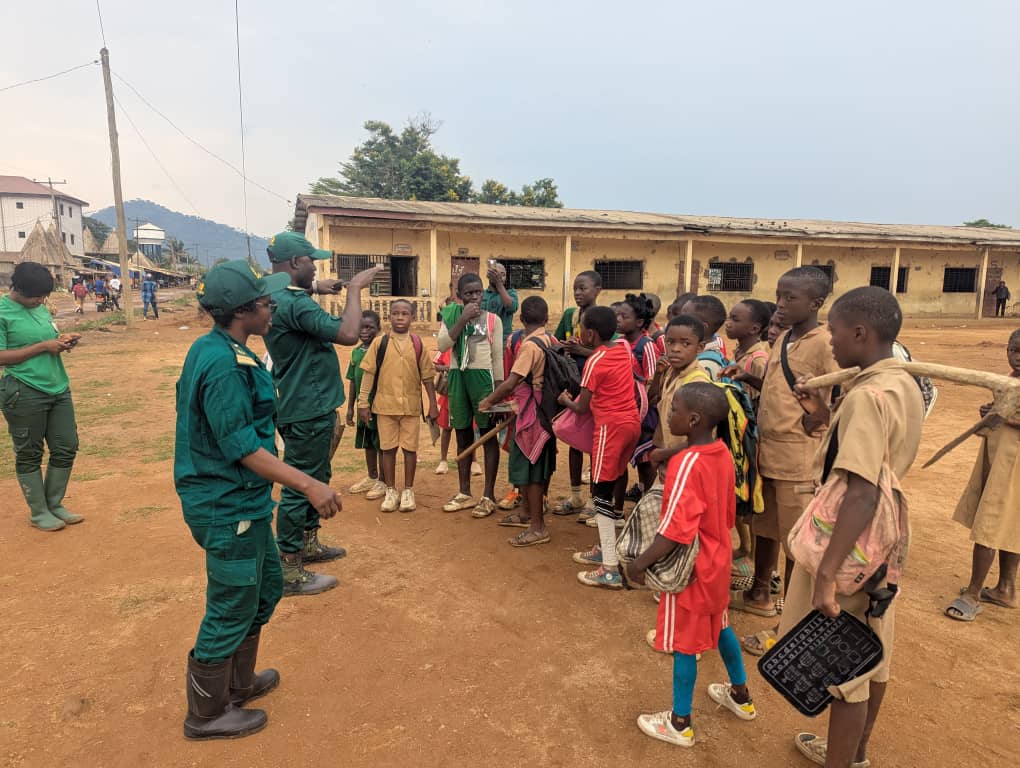
All SEEADO thematic research and facilitative program activities aim at providing practical solutions to practical problems through sustainable innovations. Our research activities must prove relevance to the local communities. Emphasis must be placed on sustainable social innovation, showing how the project is likely to enhance the livelihood of the people who are affected by the problem under investigation, and how they are likely to be better equipped to deal with these problems after the current effort proposed. We use dialogue (through sensitization, knowledge exchange exercises, and practical demonstrations) and capacity building plan using the results of the activity. Summarily, SEEADO activities all aimed at improving the capacity of Cameroonians/Africans to solve their own problems,
Our capacity building and policy advocacy seminars are serving as avenues for utilizing results of SEEADO research case studies as well as the results of research and experiences from other institutions and countries. SEEADO identifies new knowledge, evaluates, synthesizes and pass it on to farmers and advocating for policy relevant knowledge to all key stakeholders including policymakers and farmers’ associations.
Our national and international partnership strategy is also evolving. SEEADO΄S international and national partners include; The African Climate Action Partnership (AFCAP), Climate Adaptation and Resilience Research (CLARE), Coalition for Soil Health (CA4SH), African Technological Policy Studies Network (ATPS), Ets Agro-Consulting for Sustainable Agriculture (ASCISA), etc. Partners’ contributions materially in cash and in-kind are important is subsidizing SEEADO΄s activities. Under our new governance framework, emphasis is placed on the participation of the quadruple helix: the Policymakers/state institutions; the academia, the private sector and the civil society at all levels of the SEEADO΄S governance structure. We are devising new strategies for increasing SEEADO’s support to sustainability particular agricultural and environmental sustainability.
We hold a firm belief that the missing link in Africa’s Food security and Climate Change crises is the sustainable agricultural practices, at both small scale and large scale farmers and policy levels. We are determined not to dwell on our failures and the many development challenges we face but to “learn from our mistakes yesterday”, “act differently our today” and “secure our tomorrow”. Ask not what your country has done for you but what you have done for your country and for Africa. We ask all our stakeholders to join us in this collective struggle for the betterment of human kind and the environment. We believe that with your support, we can together alleviate poverty in Africa and build a more sustainable world. I end with this question; Are you a solution or a problem to the environment?
Welcome!
Kum Christian Tegha (PhD)
Executive Director
 SUSTAINABLE ENVIRONMENT, ECOTOURISM, AND AGRICULTURAL DEVELOPMENT ORGANISATION